
Influential environmental books
We decided this month to think about our earliest environmental books. It was a thought provoking idea as we tried to remember what we felt affected our journey towards our actions with ERA. (And it is worth mentioning that the books were not all read when they were first printed!)
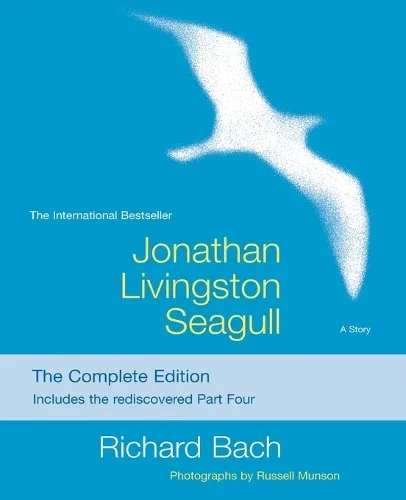
The first book was Jonathan Livingstone Seagull by Richard Bach. It was written in 1970, and when our reader found it she loved it and the message has stayed with her, that it doesn't matter what you do as long as you do it to the best of your ability. An inspiring and short book
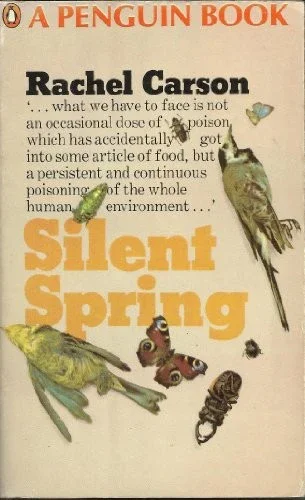
Silent Spring by Rachel Carson was written in 1962 and transformed the perception of many to the actions of the few and their effects on us all. It reads well and is backed up by science - and unfortunately history. It talks of the poisoning of the insect world to rid the world of "pests", and the unintended side effects. By trying to rid fields of fire ants who built mounds that get in the way of the tractor, the farmer suffers from more pests that were previously eaten by the ants. By ridding the area of weevils the American robin is lost to some states. When the farmer is paid by the gallon rather than the area, too much is used and the loss is worse. This book inspired the start of the US Environmental Protection Agency among others and the banning of DDT across the world.
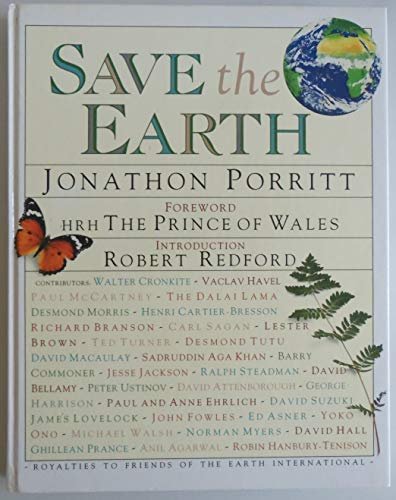
Save The Earth by Jonathan Porritt was written in 1991 as a call to arms before the Earth Summit, held in 1992 in Rio de Janeiro. The Rio Convention led to United Nations conventions on biodiversity, climate change and desertification. Each chapter is written by a different expert, with quotes from major figures from the Dalai Lama to David Attenborough to Douglas Adams. The book is designed to inspire the public to take action, to demand change. And it makes depressing reading. I suppose saying the manatee would not exist by 2000 might have inspired people to act, but the problems and issues that were urgent in 1991 are still very much with us over 30 years later. Population is seen as a major "timebomb" issue, and the birth rate has dropped from 24.2 per 1,000 to 17 during this time, which is positive and an idea the book states is very unlikely. Meanwhile plastic pollution is not mentioned, and oil is about to run out.
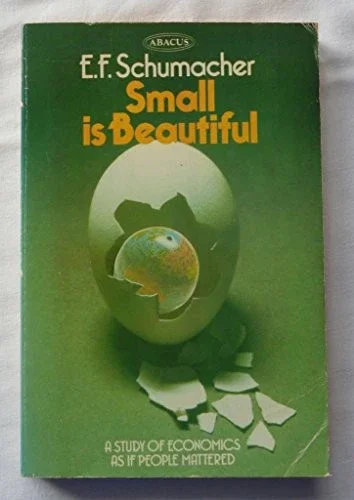
Small is Beautiful by E.F. Schumacher is a collection of economics essays written in 1973, teaching that people matter, that profit should not be put before the worker, community or planet. It supports small communities and self sufficiency as well as introducing spirituality and responsibility. There is no reference to climate change or CO levels. Instead it talks of finite resources and the threat to our way of life. The surprising false note was misogynistic, women are to be at home while the men solve the world's problems. This is a sign of the times it was written in, and is curious as this book led to the creation of Practical Action, a charity that works to empower mainly women in developing countries with the simple technology that can transform lives.
Elizabeth Eveleigh